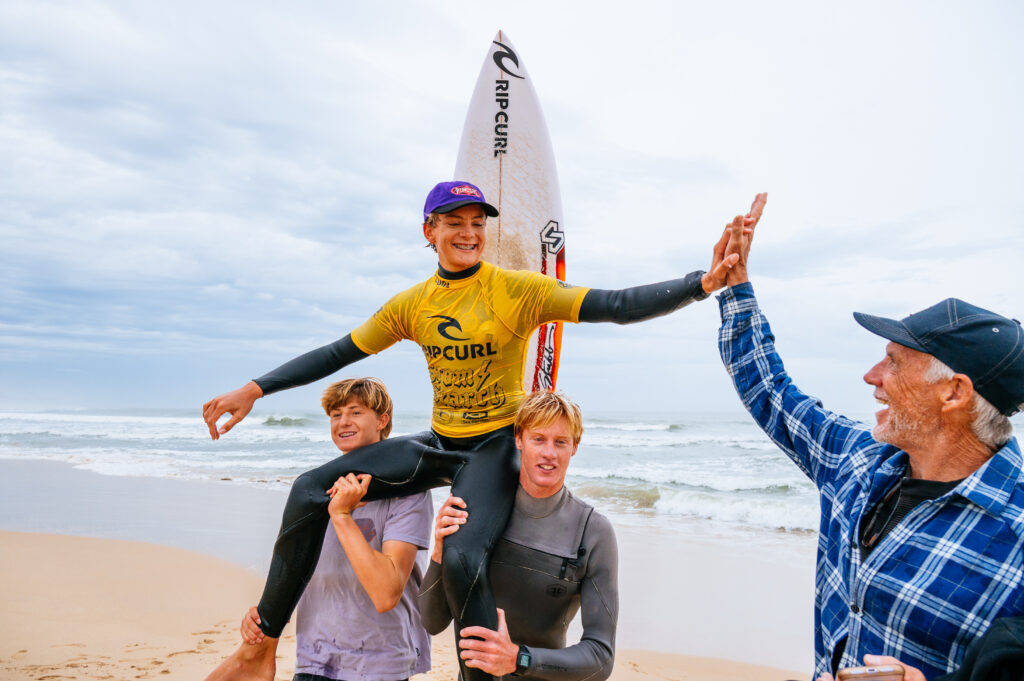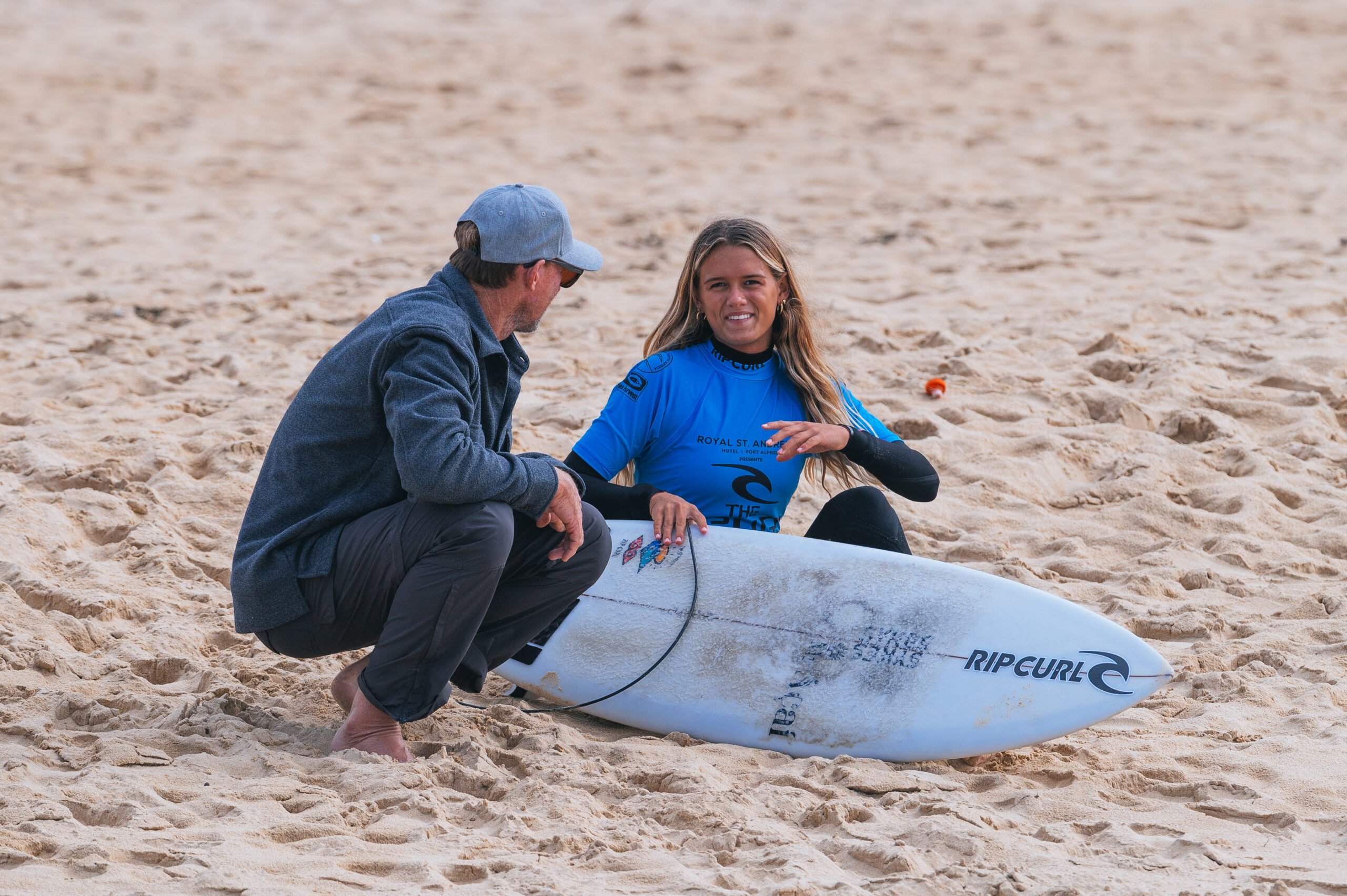
The Team Behind the Surfer
Surfing once carried the image of a lone athlete paddling into the lineup with little guidance beyond personal instinct.
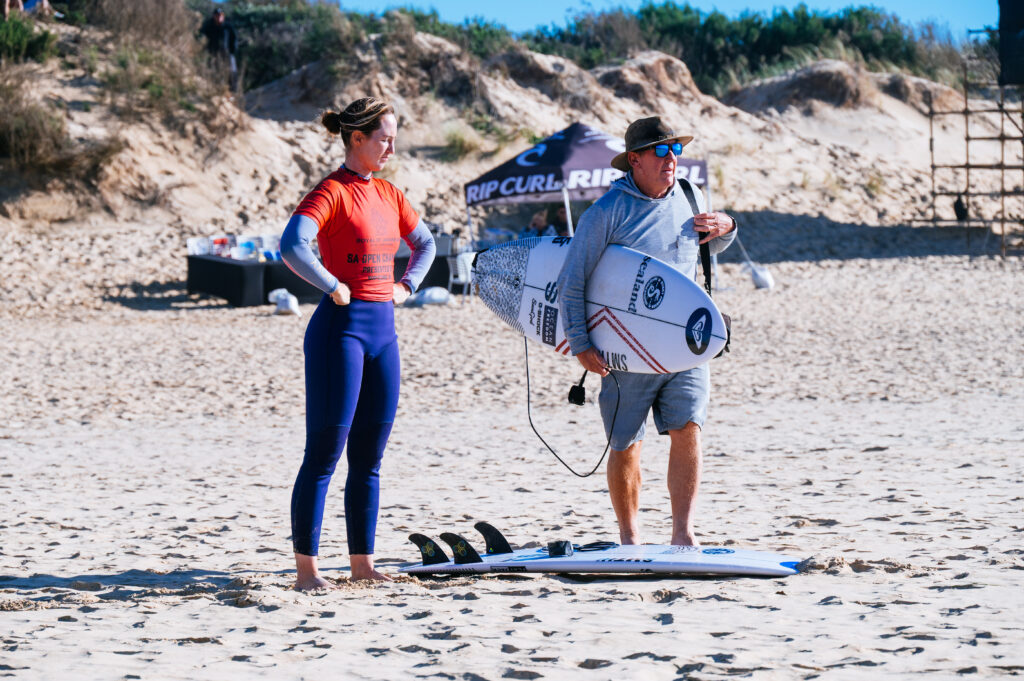
However, modern competitive surfing has evolved dramatically. Today, many competitors arrive at contests supported by experienced coaches who help guide preparation, strategy and performance.
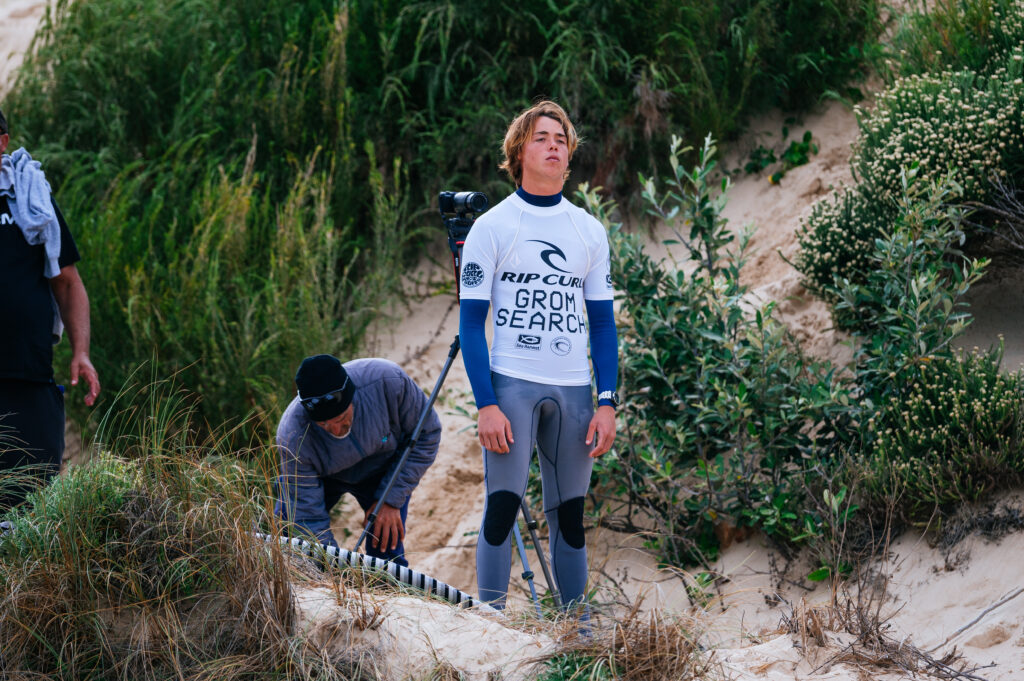
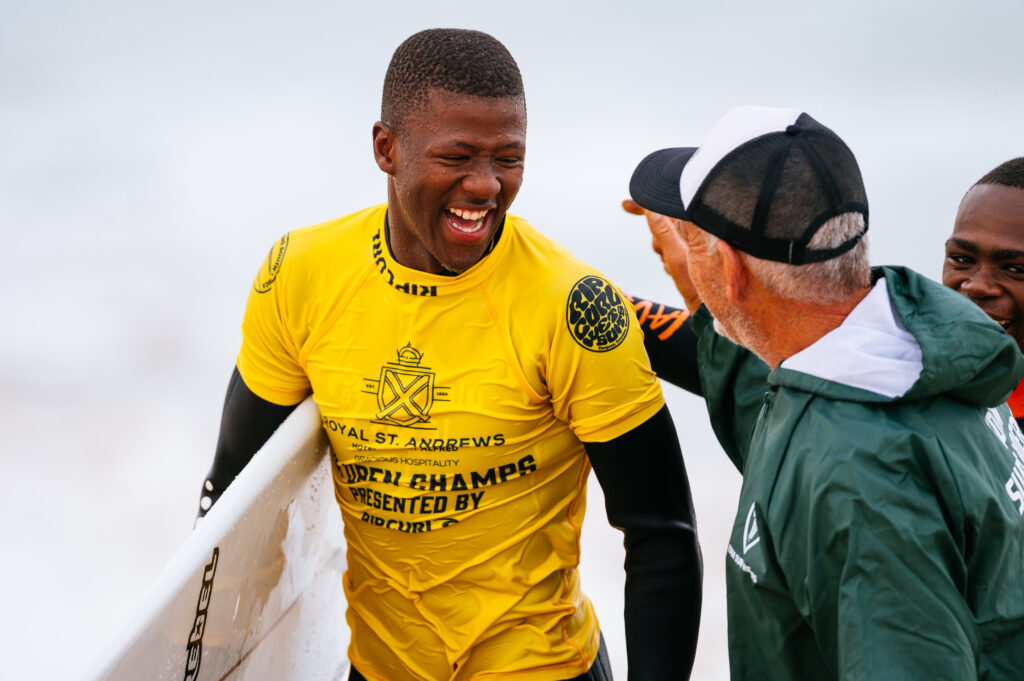
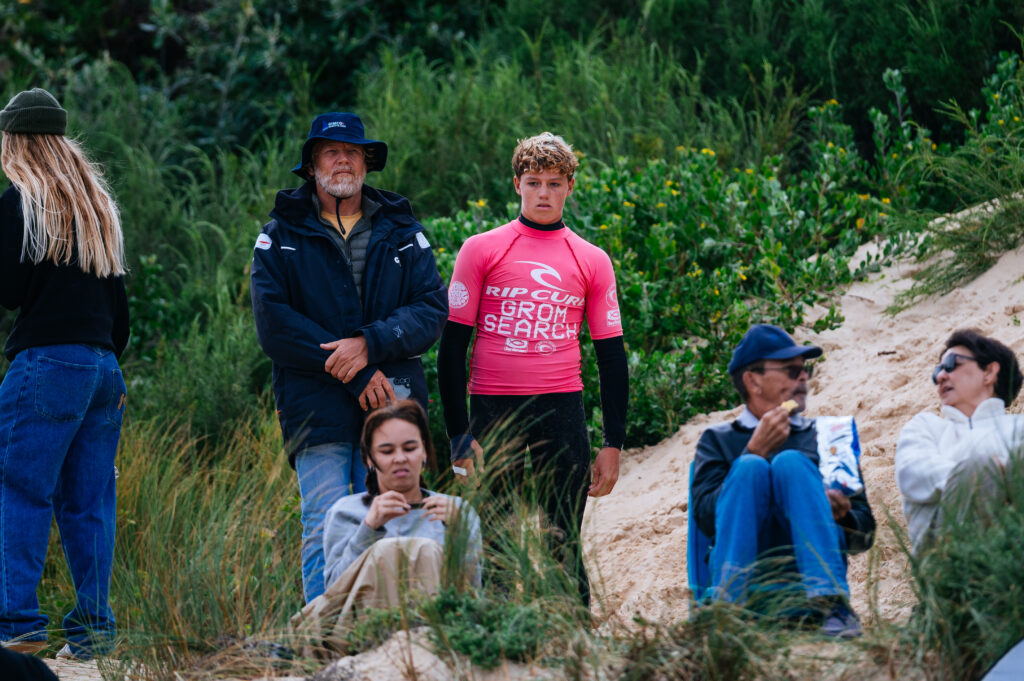
At major events like the Rip Curl GromSearch and the Royal St Andrews Hotel Rip Curl Cup, coaches are now a familiar presence along the shoreline.
Reading the Conditions
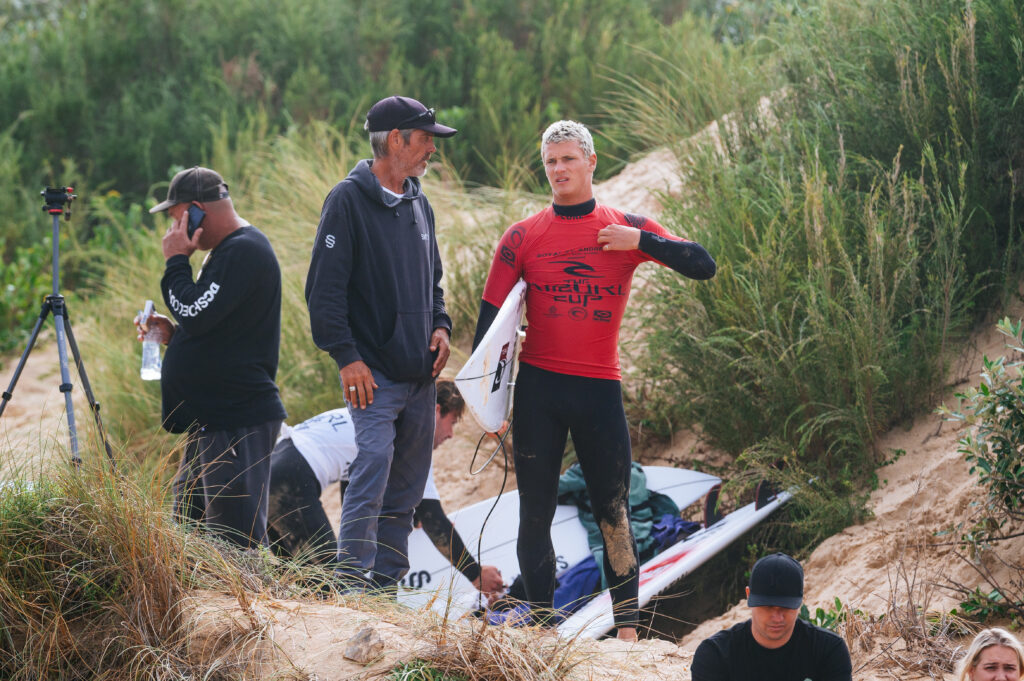
One of the most valuable roles a coach performs happens before the heat even begins.
Coaches study the ocean carefully, watching how waves break across the sandbanks and identifying the most consistent scoring sections. Because they observe multiple heats before their athlete enters the water, they often gain a clearer view of the changing conditions.
As a result, they can guide surfers toward the most promising areas of the lineup.
Strategy During the Heat
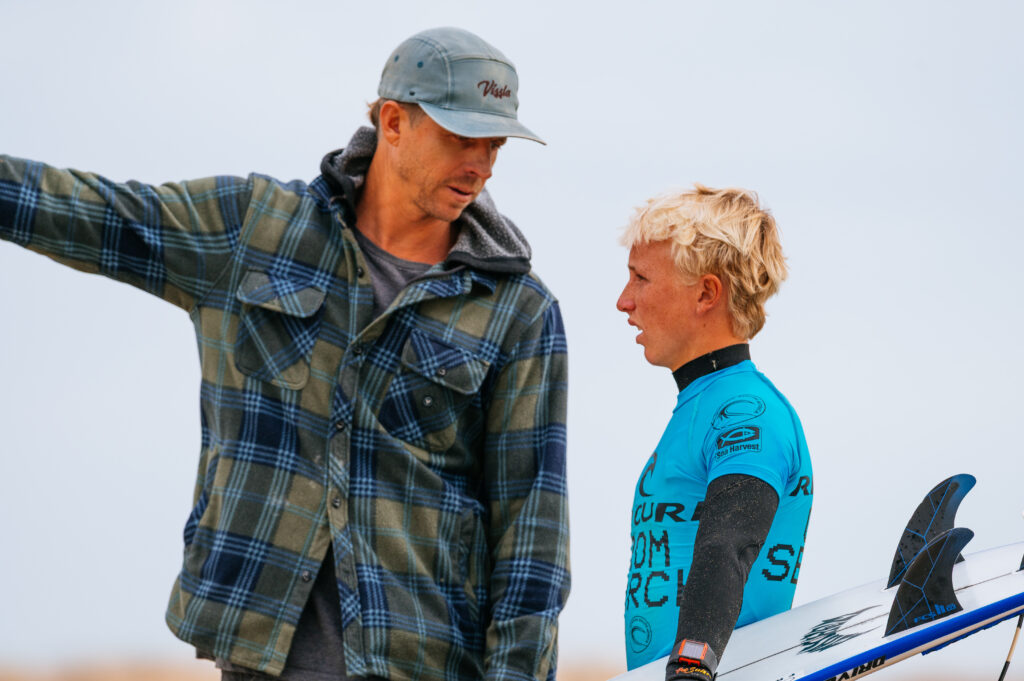
During a heat, communication between surfer and coach becomes crucial.
Coaches often stand on the beach with radios, relaying information about priority situations, remaining time and the scores needed to advance.
They may also suggest repositioning in the lineup if the best waves begin breaking somewhere else.
Consequently, a surfer no longer competes entirely alone. Instead, the heat becomes a collaboration between athlete and coach.
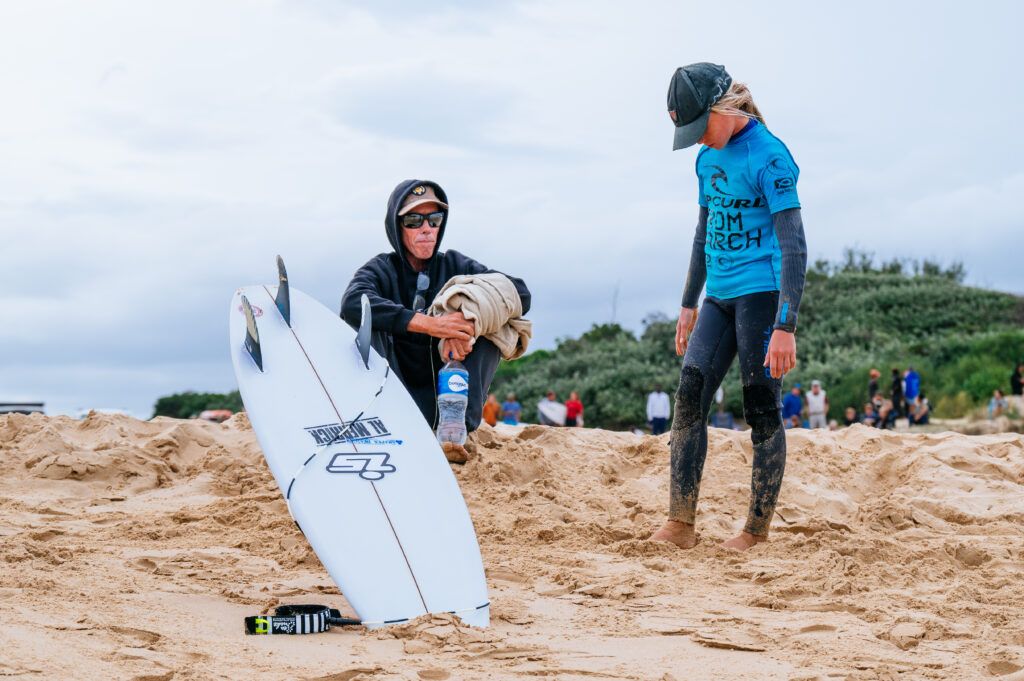
Learning From Every Wave
After the heat ends, the work continues.
Coaches review wave choices, discuss judging scores and analyse how the heat unfolded. Over time, this process helps surfers refine both their technical surfing and their competitive strategy.
Therefore, modern surf coaching has become an important part of the sport’s evolution.
See also
Surfers Locked In For The Rip Curl GromSearch presented by The Royal St Andrews Hotel, Port Alfred
Understanding WSL Judging Criteria